
Yes, a shaved head with SMP can suit many face shapes. The key is not matching a fixed template to your features, but designing a hairline and follicle pattern that balance your forehead, temples, head shape and age. I assess those details with you before treatment so the result feels natural.
How does face shape affect a shaved SMP look?
When men ask me whether scalp micropigmentation will suit their face, they are usually asking whether a very short hairstyle will make their features look too long, too round or too severe. In practice, the hairline and its relationship with your face usually matter more than a simple label such as oval, square or round.
A shaved style exposes more of the forehead, temples and natural head shape. That can look balanced when the hairline follows your facial structure rather than being drawn as a straight, identical line. I consider the width of the forehead, the position of the temples, the shape of the top of the head and the way your existing hair grows.
Your age also matters. A hairline that is artificially low or perfectly symmetrical can look less believable, particularly when the rest of the scalp is shaved. My aim is to create a mature, appropriate outline with slight natural variation, not a painted edge.
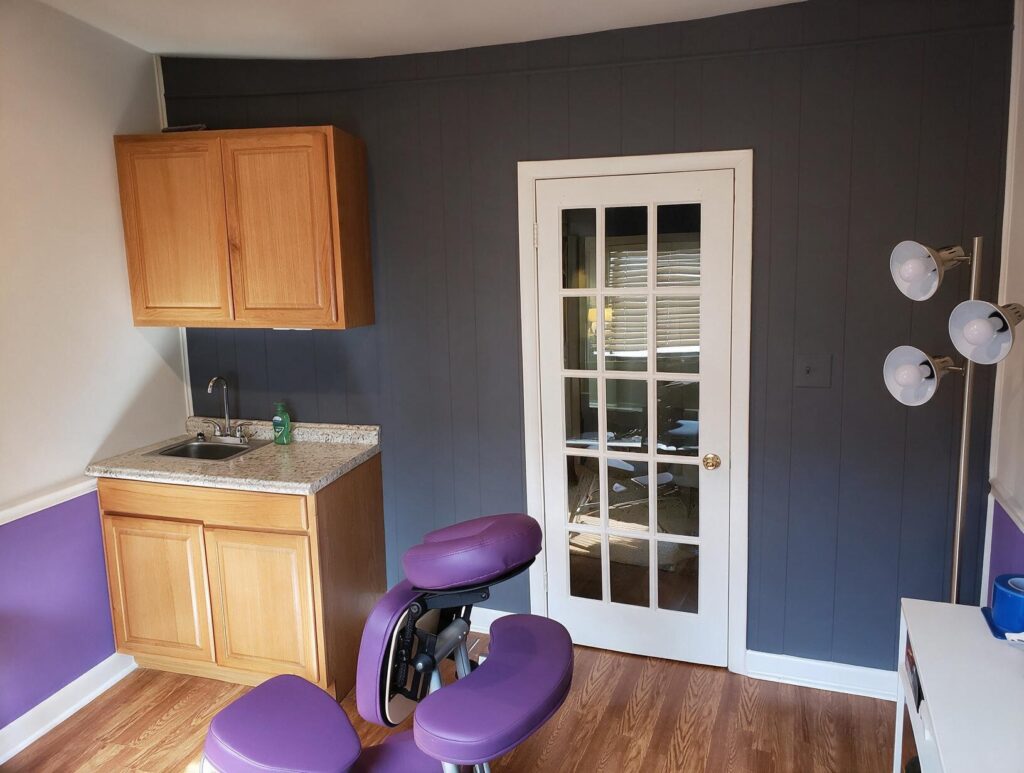
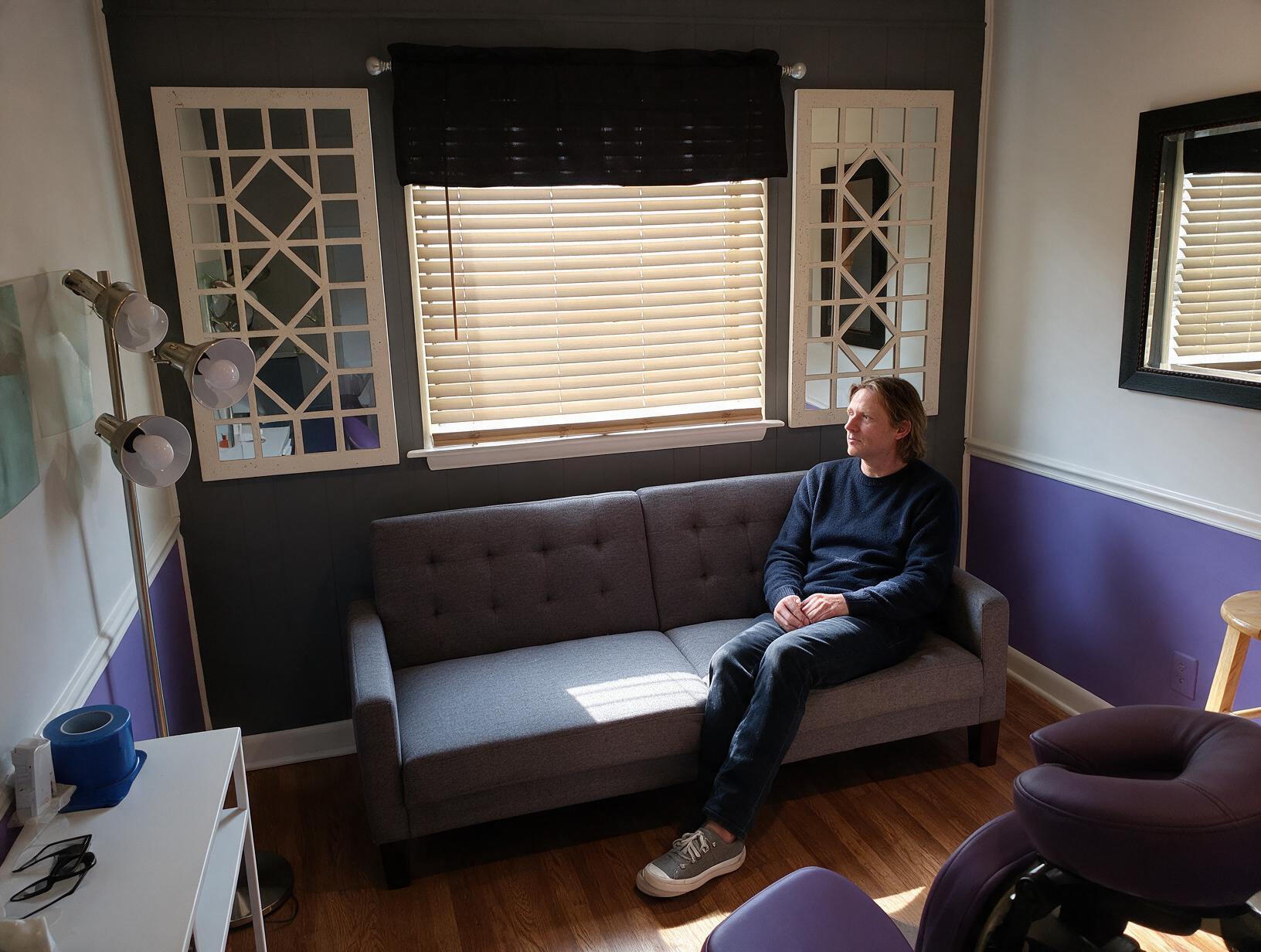
At Carolina Scalp Center in Raleigh, I use the consultation to discuss the look you want and what is realistic for your scalp. Face shape is one part of that conversation, not a pass or fail test.
Why can a shaved head work well for men’s scalp micropigmentation?
A closely shaved head naturally shows small follicle points beneath the skin. SMP recreates that visual pattern with tiny deposits of cosmetic pigment. It does not grow hair, alter your follicles or stop hair loss. Instead, it reduces the contrast between your scalp and remaining hair, which can make the overall appearance look more even.
This is why male scalp micropigmentation can be useful for a receding hairline, male pattern baldness, diffuse thinning, advanced hair loss or visible transplant scars. A consistent shaved or very short look can replace the need to style hair around areas of reduced density.
You do not always need to be completely bald. I can place pigment between existing hairs when you prefer a short buzz cut. The right clipper length depends on your natural density, hair color, skin tone and the amount of scalp show-through. If you are mainly concerned about thinning rather than complete hair loss, you may find my guidance on SMP for thinning hair in men useful.
The finished result should not look like a solid layer of paint. Some scalp showing through is normal and helps the follicle effect remain believable. I explain that expectation before treatment, because realistic density is an important part of a natural appearance.
How is the hairline designed for your features?
Hairline design is one of the most important parts of choosing a practitioner. A poorly planned hairline can make otherwise careful SMP look unnatural, so I take time to mark the proposed treatment area and discuss it with you before any pigment is applied.
I look at your forehead, temples, facial proportions, age and existing hairline. I also consider whether you want a clean shaved appearance, a softer mature hairline or a short buzz-cut style that blends with remaining hair. The hairline needs to suit your face from the front and remain convincing from different angles.
Pigment is selected to match the appearance of your current hair follicles, rather than simply choosing a generic black or brown. The dots are layered to create a follicle impression, with placement and density adjusted for your scalp. Existing scars need separate consideration because scar tissue may respond differently from healthy scalp.
Before proceeding, I encourage you to review healed examples of a practitioner’s work, especially hairlines. Fresh treatment can appear stronger than the healed result, so photographs taken after healing offer more useful information. A thorough consultation should cover your medical history, allergies, lifestyle, expectations and preferred hairstyle.
What should you expect during and after treatment?
SMP is a cosmetic tattoo treatment using fine needles to deposit permanent cosmetic pigment into the epidermal and upper dermal layers. I use anaesthetic to help manage discomfort. A full treatment commonly involves several sessions, with time between them for the scalp to settle. The exact plan depends on your pattern of hair loss, skin and goals.
On treatment days, arrive with clean hair and scalp. I mark the areas, agree the hairline, match the pigment and prepare the skin before beginning. The result may look darker or more intense at first. Lightening during healing is normal, and you should not pick scabs or interfere with the scalp.
For the first days, keep the scalp dry, avoid shampooing, shaving, heavy exercise, hot showers and saunas. A shower cap can help while bathing. Avoid direct sun exposure during the early healing period. Follow the specific aftercare instructions I give you, including any recommended moisturizer. Once healed, long-term broad-spectrum sunscreen helps protect the pigment.
Healing takes some time, and I will explain what to expect at your consultation. SMP is intended to be long lasting, but pigment gradually fades through natural skin changes and sun exposure. A future touch-up may be appropriate, depending on how your scalp heals and how you want the look maintained. SMP can be removed with laser treatment later, although removal can be more difficult when the original application was poorly placed.
How can you decide whether the look is right for you?
Start with the hairstyle you genuinely want to wear. If you feel comfortable maintaining a shaved or close-cropped look, SMP may fit your routine better than trying to disguise every thinning area. It is a visual camouflage treatment, not a cure for hair loss, so your expectations should match that purpose.
Tell me about previous hair transplants, scars, medications, skin conditions and allergies. People prone to keloid scarring should discuss that risk carefully before considering cosmetic tattooing. If your hair loss is changing quickly, medical assessment may also be sensible before deciding on a cosmetic approach.
Look closely at healed work and ask how the practitioner approaches hairline design, pigment choice, density and scar tissue. You can read more about choosing an SMP artist before your consultation. I also explain the treatment itself on the scalp micropigmentation service page.
My own hair loss experience began in my late teens, followed by multiple transplant procedures and the difficulty of concealing scars with short hairstyles. I discovered SMP in 2012, and my own experience is one reason I approach consultations with practical, personal understanding rather than a one-size-fits-all template.
If you would like to discuss your face shape, hairline and preferred length, you are welcome to contact Carolina Scalp Center to arrange a consultation.
Frequently asked questions
Can SMP make a round face look longer?
It can influence the overall impression, but SMP does not change facial structure. Hairline position, temple shape and your chosen clipper length can affect balance. During consultation, I consider the forehead and proportions together rather than promising that a particular design will make the face appear longer or slimmer.
Should my SMP hairline match my original hairline?
Not necessarily. A previous hairline may no longer suit your age, current hair loss or preferred shaved style. I use your natural growth pattern as a reference, then discuss a mature outline that fits your facial structure. The aim is believable balance, not recreating an unusually low or perfectly straight line.
Can men with gray or light hair have a shaved SMP look?
Yes, but pigment selection must be carefully considered. SMP is chosen to match the appearance of your current follicle color and reduce contrast between hair and scalp. I assess your hair and skin together rather than using a standard dark pigment, because the goal is a subtle follicle effect.
Will SMP suit a head with transplant scars?
It may help reduce the visibility of donor scars from strip or FUE surgery, particularly when you want to wear your hair short. Scar tissue can heal differently from healthy scalp, so I assess its color, texture and condition first and explain what level of camouflage is realistic.
Can I change from a buzz cut to a fully shaved head later?
That may be possible, depending on the original design, pigment placement and how much natural hair remains. I plan the treatment around your likely hairstyle and discuss how the dots should blend with visible stubble. A major change in length may require a fresh assessment before you alter your routine.
Is SMP suitable if my hair loss is still progressing?
It can be considered, but changing hair loss affects how the treated and untreated areas relate to each other. I discuss your current pattern, likely hairstyle and expectations during consultation. If the pattern is unclear or changing quickly, medical advice may be appropriate before committing to a cosmetic treatment.