
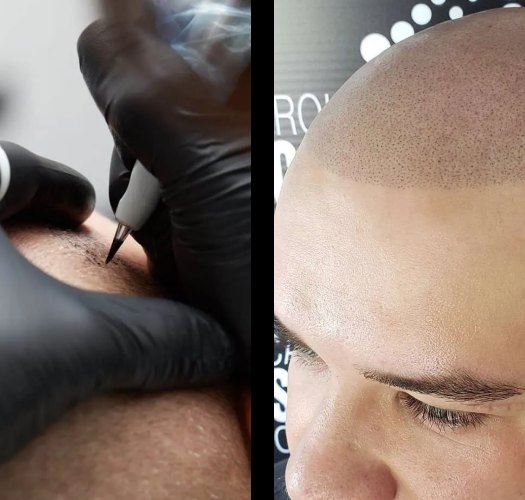
Yes. SMP can be done on a fully shaved head or short buzz cut. Carefully placed pigment dots recreate the look of closely shaved follicles, reduce visible contrast, and shape a suitable hairline. The best approach depends on your existing hair, hair loss pattern, and preferred length.
Why does SMP work well with a shaved head?
When a head is shaved, natural stubble is visible as small, dark follicle points beneath the skin. Scalp micropigmentation, or SMP, recreates that visual pattern with tiny deposits of cosmetic pigment. It does not grow hair or change the way your follicles work. Instead, it reduces the contrast between your scalp and remaining hair so the overall appearance looks more even.
That makes a shaved style a particularly practical option for men with male pattern baldness, a receding hairline, thinning areas, transplant scarring, or more advanced hair loss. Rather than trying to disguise every area with styling, you can choose a consistent, intentional look.
The result is not meant to look like a painted scalp or a solid block of color. Some scalp showing through is normal and important. My aim is to create believable follicle impressions that blend with your natural hair and suit your complexion, hair color, age, and facial structure.
At Carolina Scalp Center in Raleigh, I offer scalp micropigmentation for men, including shaved SMP, hair tattoo and male density treatments. My own experience with hair loss and transplant scarring is one reason I understand why the option of wearing a short haircut can feel significant.
Can men have SMP with a buzz cut?
Yes. Male scalp micropigmentation can be placed between existing hairs when you keep a buzz cut, not only on completely bald skin. This can soften the appearance of scalp show-through and make thinning areas look more consistent with the surrounding hair.
A buzz cut can work well when you still have diffuse hair across the top, a crown that looks lighter, or a hairline that is beginning to recede. Your ideal clipper length will depend on the contrast between your hair and scalp, the density you have naturally, and how closely you want to cut your hair.
There is an important distinction between a buzz cut and a fully shaved look. With a short buzz cut, I need to consider how the pigment will sit visually among the existing hairs. With a razor-shaved head, the treatment needs to create an even follicle effect across the visible scalp. In either case, pigment is chosen to match your current hair follicle color, rather than simply choosing a generic black or brown.
SMP can also be used around donor scars from FUE or strip transplant surgery. The purpose is to reduce the visibility of the scar when you wear your hair short. Scar tissue can respond differently from healthy scalp, so I assess it carefully during consultation and set realistic expectations about how it may heal.
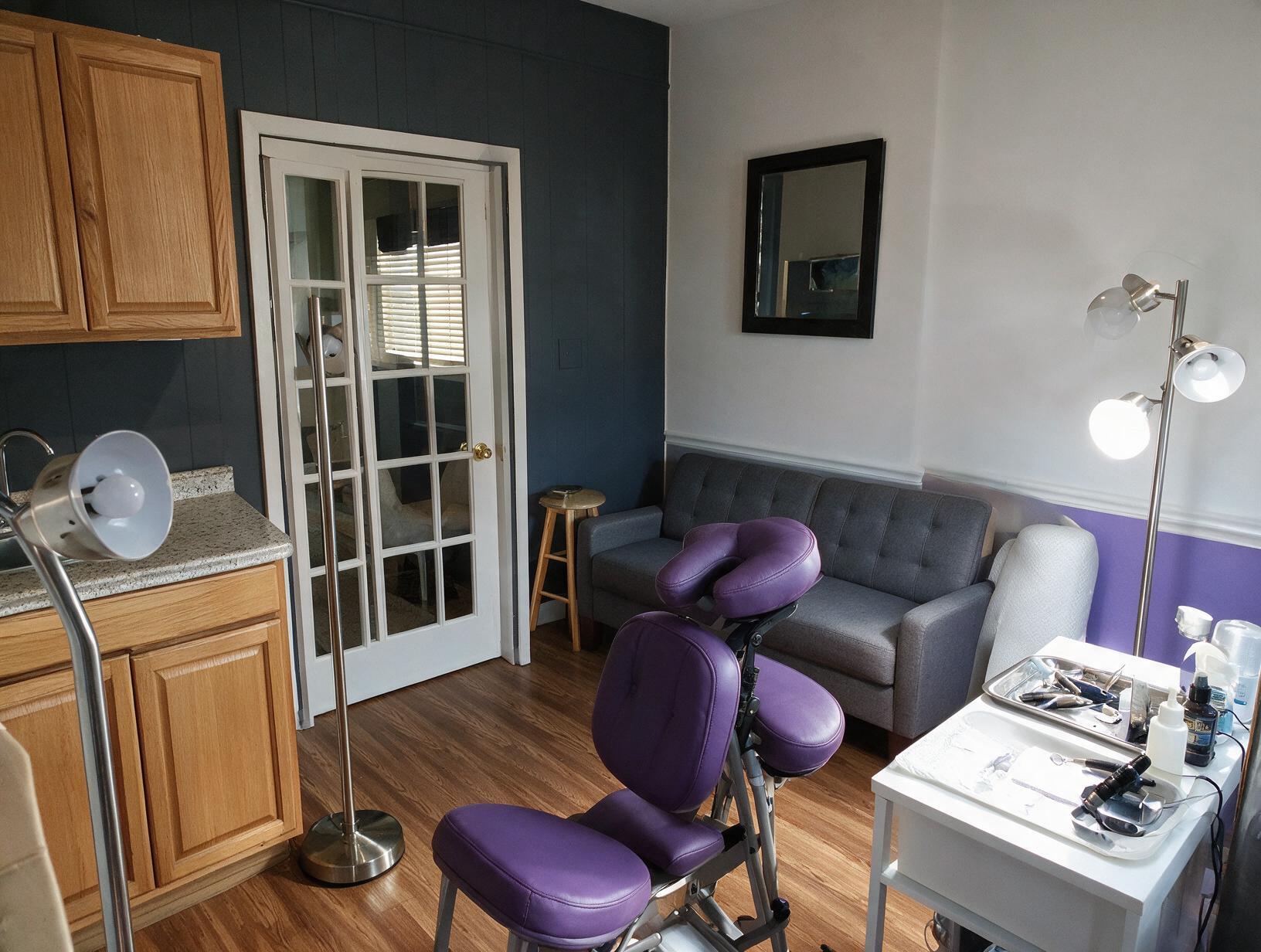
What happens before and during treatment?
I begin with a consultation rather than applying pigment immediately. We discuss your hair loss pattern, skin, daily routine, preferred haircut, medical history, allergies, and expectations. We also look at whether you want a fully shaved appearance, a short buzz cut, or added visual density between existing hairs.
Hairline design deserves particular attention. A natural hairline is not a perfectly straight line, and it should not be placed simply where hair used to grow. For a fully bald client, I consider facial structure, age, proportions, and the shape of the temples. I mark the proposed area so we can review it together before treatment begins.
On the day of a session, wash your hair and scalp as directed and arrive without heavy products on the area. I mark the treatment zones, confirm the design, match the pigment, and use numbing medicine. Fine needles deposit small dots into the epidermal and upper dermal layers, which is shallower than a traditional body tattoo.
A full course usually involves more than one session, and the exact number is assessed at consultation. Each appointment allows me to build density gradually, check how your skin responds, and refine the balance between the hairline, temples, crown, and surrounding areas. The exact plan varies according to the amount of hair loss, skin type, scar tissue, and the look you want.
How should you prepare and care for a shaved scalp?
Follow the specific aftercare instructions I give you, because healing can vary. As general information, not medical advice, avoid water, shampoo, shaving, and sweating on the scalp during the first several days. Use a shower cap if you need to bathe, and avoid heavy exercise, steam rooms, hot showers, and direct sun exposure while the area is settling.
After the initial period, you can usually begin gentle washing as advised. Avoid picking at flaking or light scabbing. The color can appear stronger at first and then soften as the skin heals, so early changes are not necessarily a sign that something has gone wrong. Healing continues over the following weeks, and the final appearance should be judged after the skin has settled.
Long term, protect the scalp from sun exposure with broad-spectrum sunscreen. Sun can contribute to faster pigment fading. Once your scalp has healed and I have given you the all-clear, normal grooming can resume, including keeping the head shaved or clipped to your chosen length.
How do you choose a natural result for men’s scalp micropigmentation?
Look closely at the practitioner’s healed work, especially hairlines on clients with a similar skin tone, hair color, and degree of hair loss. A fresh treatment photo can look very different from a healed result. Ask who will perform the work, what pigments and technique they use, and how they approach corrections if your preferences change later.
You should also check that the practitioner is a licensed cosmetic or body artist, follows sanitary procedures, and holds current bloodborne pathogens training. Tell the practitioner about allergies and relevant health conditions. SMP is a cosmetic tattoo procedure, not a diagnosis or treatment for an underlying hair loss disease.
I explain the likely appearance, maintenance, and limits before we proceed. SMP is intended to be long lasting, but it gradually fades and may need a touch-up. It can be removed with laser treatment later, although complications during removal are more likely if the original application was not done correctly.
If you are comparing options, my guide to SMP versus hair systems for a shaved look may help you think through daily maintenance and style. You can also read about my scalp micropigmentation treatment before arranging a conversation.
For more guidance on qualifications, portfolios, and consultations, I have also outlined how to choose an SMP artist. If you would like to discuss your own shaved or buzz-cut goals, you are welcome to book a consultation with Carolina Scalp Center.
Frequently asked questions
Can I keep my natural hair while having SMP?
Yes. SMP can be placed between existing hairs to reduce visible scalp and support the appearance of density. You do not necessarily need to shave completely. The plan depends on your hair length, hair loss pattern, contrast between your hair and scalp, and whether you want to maintain a buzz cut or another short style.
Will SMP look natural if I have blonde or light-colored hair?
It can be adapted to different hair colors, including blonde, brown, black, and white hair. Pigment choice and density must be handled carefully so the dots do not look too dark against surrounding hair and skin. A consultation can assess visual contrast and the expected result.
Does SMP hurt on a shaved head?
Most clients describe SMP discomfort as minimal or comparable to a regular tattoo, and numbing medicine is used. Sensitivity varies across the scalp, particularly around scar tissue or areas with little natural hair. I explain what you may feel and can work at a comfortable pace.
Can I shave over scalp micropigmentation?
Yes, once the scalp has fully healed and your practitioner has cleared you to resume shaving. Keeping the scalp shaved or closely clipped helps maintain the follicle effect. During healing, avoid shaving and follow aftercare instructions to prevent irritation or interference with the developing result.
Can SMP hide a transplant scar on a shaved head?
SMP may reduce the contrast of FUE or strip scars by placing pigment through the scarred area and nearby scalp. Scar tissue can accept pigment differently from healthy skin, so results vary. A consultation should cover the scar’s condition, visibility, texture, and realistic expectations before treatment.
Does SMP stop male pattern hair loss?
No. SMP is a camouflage treatment and does not grow hair, alter natural growth, or treat the mechanism behind male pattern hair loss. Your natural hair may continue to change. A careful plan can account for your current pattern and possible future hair loss, but it cannot prevent progression.
How long should I wait before swimming after SMP?
Avoid swimming pools during early healing, with general guidance to stay out of pools for around four weeks. Water, chlorine, sweating, and sun exposure can interfere with healing. Your practitioner may adjust instructions based on recovery, so follow the personalized guidance provided after each session.